When it comes to achieving fitness goals, the importance of nutrition cannot be overstated. The right foods can provide the energy needed for workouts, support muscle recovery, and maintain overall health. In this article, we will explore a variety of foods that are essential for energizing your workout routine, highlighting their nutritional benefits and how to incorporate them into your daily meals.
To begin, let’s look at the role of fruits in a balanced diet. Fruits are rich in essential vitamins, minerals, and antioxidants, making them an excellent choice for pre- and post-workout snacks. Berries, such as blueberries and strawberries, are packed with antioxidants that help combat oxidative stress and can aid in recovery after intense workouts. Citrus fruits like oranges and grapefruits are not only refreshing but also loaded with vitamin C, which plays a crucial role in supporting the immune system and skin health.
Bananas, often dubbed the ultimate workout food, provide quick energy due to their natural sugars and are rich in potassium, which helps prevent muscle cramps. Avocados are another fruit worth mentioning; they are high in healthy fats and fiber, making them a satisfying addition to any meal. Incorporating a variety of fruits into your diet not only adds flavor but also ensures you receive a wide range of nutrients to support your fitness journey.
Next, we turn to vegetables, which should be a staple in any healthy diet. Leafy greens like spinach and kale are nutritional powerhouses, loaded with vitamins A, C, and K, along with essential minerals. Including cruciferous vegetables, such as broccoli and cauliflower, can also provide unique compounds that contribute to overall health and wellness. These vegetables can easily be incorporated into salads, stir-fries, or smoothies, ensuring you meet your daily vegetable intake.
Bell peppers and carrots are excellent choices for adding color and crunch to meals while offering a wealth of vitamins. Tomatoes, rich in lycopene, can contribute to heart health and add a delicious flavor to various dishes. The fiber content in vegetables supports digestive health, allowing your body to absorb nutrients effectively, which is essential for optimizing performance.
Whole grains are another critical component of a well-rounded diet, providing sustained energy for workouts. Unlike refined grains, whole grains retain their nutrient-rich components, including fiber, B vitamins, and minerals. Quinoa, brown rice, and oats are great choices that can fuel your body for endurance activities while promoting digestive health.
Quinoa, in particular, is a complete protein, meaning it contains all nine essential amino acids, making it an excellent option for vegetarians and athletes alike. Whole grain bread and pasta can also be incorporated into meals, offering versatility and satisfying carbohydrate options. By choosing whole grains over refined options, you can enhance your energy levels and maintain steady blood sugar, which is crucial for optimal performance during workouts.
Protein is vital for muscle repair and growth, making it an essential part of any fitness-oriented diet. Lean protein sources such as skinless chicken, turkey breast, and fish like salmon or tuna provide high-quality protein with less fat. Fatty fish are particularly beneficial due to their omega-3 fatty acids, which support heart health and reduce inflammation, aiding recovery.
Plant-based protein sources, such as legumes (beans, lentils, and chickpeas), tofu, and tempeh, are excellent options for those following vegetarian or vegan diets. These foods not only provide protein but also deliver fiber, which helps maintain digestive health. Including a variety of protein sources ensures you meet your nutritional needs and supports muscle recovery after exercise.
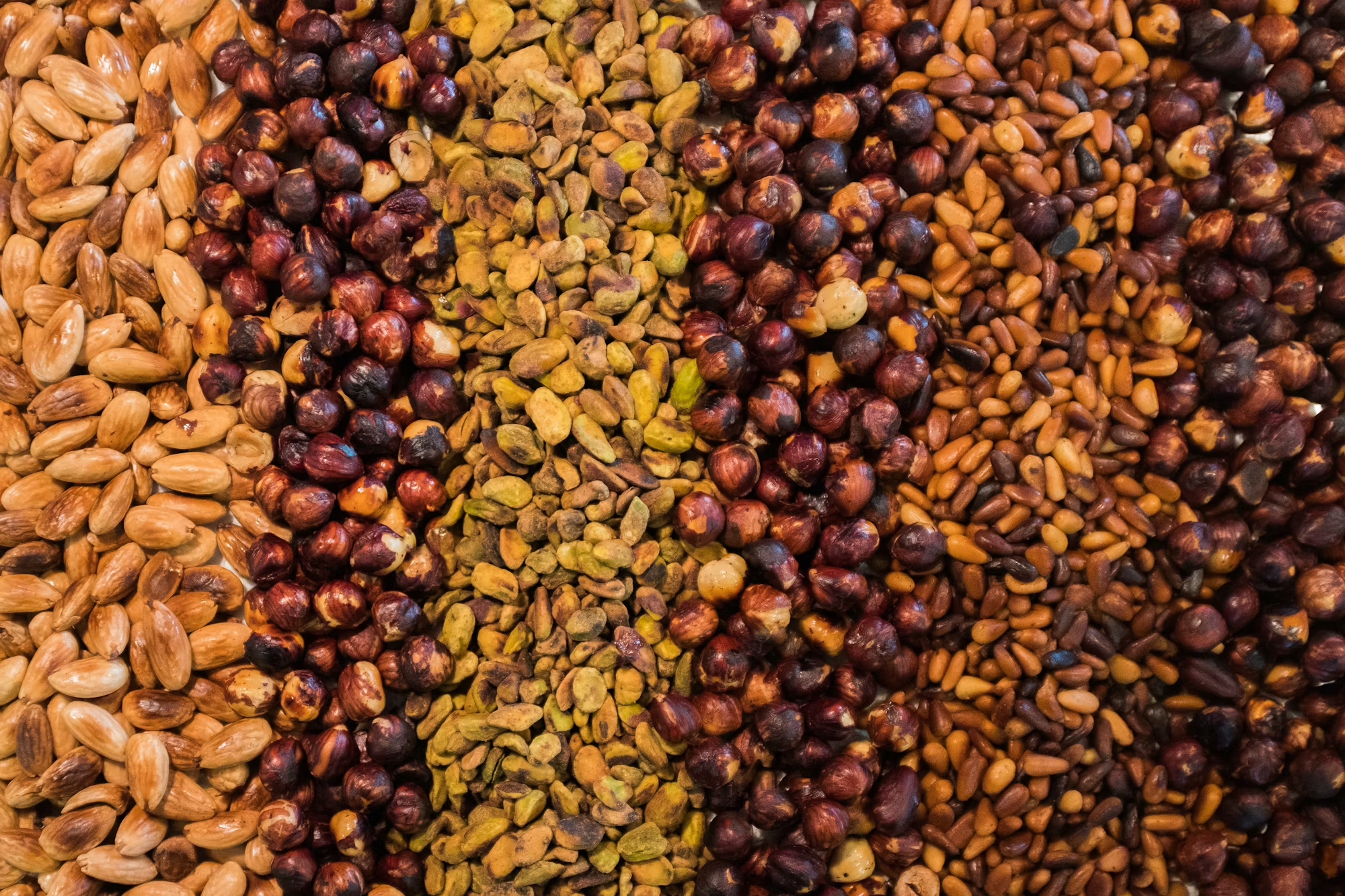
Healthy fats are essential for overall health and can be a great source of energy. Avocados are an excellent choice, rich in monounsaturated fats that promote heart health. Olive oil, a staple in Mediterranean diets, is another fantastic source of healthy fat that can enhance the flavor of dishes while offering anti-inflammatory benefits. Nuts and seeds, such as almonds, walnuts, chia seeds, and flaxseeds, provide a wealth of nutrients, including healthy fats, protein, and fiber. These can easily be added to smoothies, salads, or consumed as snacks to keep you satisfied between meals.
Dairy and dairy alternatives are also important for providing calcium and protein. Low-fat options like Greek yogurt and cottage cheese can be beneficial for muscle recovery due to their high protein content. Greek yogurt, in particular, can be enjoyed on its own, with fruits, or in smoothies, making it a versatile addition to your diet. For those who prefer plant-based options, fortified almond, soy, or oat milk can provide essential nutrients while catering to dietary preferences.
Spices and herbs not only enhance the flavor of your meals but also offer numerous health benefits. Incorporating spices like turmeric, ginger, and garlic can provide anti-inflammatory properties and aid digestion. Using fresh herbs such as basil, cilantro, and parsley can elevate your dishes and make healthy eating more enjoyable. Experimenting with different herbs and spices can keep your meals exciting, encouraging you to maintain a nutritious diet.
Probiotic foods are another essential part of a balanced diet, supporting gut health and overall well-being. Yogurt, particularly varieties containing live cultures, can promote a healthy gut microbiome, aiding digestion and boosting immunity. Fermented foods such as kimchi, sauerkraut, and kombucha are rich in probiotics and can easily be included in meals or enjoyed as snacks, further contributing to gut health.
Hydration is a crucial element of fitness, especially during physical activity. While water should be your primary beverage, incorporating herbal teas like green tea or chamomile can provide additional health benefits. Green tea is rich in antioxidants and may support metabolism, making it a great choice for those looking to enhance their fitness routines.
While fresh fruit juices can be refreshing, it’s essential to consume them in moderation due to their natural sugar content. Opting for juices without added sugars or diluting them with water can provide a healthier alternative, ensuring you stay hydrated without excessive sugar intake.
In conclusion, fueling your body with the right foods is essential for maximizing workout performance and enhancing overall health. By incorporating a variety of fruits, vegetables, whole grains, lean proteins, and healthy fats into your diet, you can provide your body with the nutrients it needs to thrive. Remember that balance and variety are key to success; by understanding the benefits of these foods and making informed choices, you can create meals that nourish your body and energize your fitness journey. Embrace the power of nutrition and enjoy the vibrant flavors of wholesome foods as you work toward your fitness goals.