In today’s fast-paced world, the pursuit of physical fitness often comes with a focus solely on physical results—gains, weight loss, and performance metrics. However, an emerging trend in the fitness industry is the integration of mindfulness practices, which emphasize a holistic approach to well-being. Mindfulness in fitness combines physical activity with mental awareness, creating a more balanced and fulfilling experience. This article delves into the benefits of mindfulness in fitness, its application, and practical ways to incorporate it into your routine.
Understanding Mindfulness
Mindfulness is the practice of being present in the moment, acknowledging thoughts and feelings without judgment. It encourages individuals to connect with their bodies, fostering a deeper awareness of physical sensations, emotions, and mental states. In the context of fitness, mindfulness can enhance the overall workout experience, making it not just about the physical benefits but also about emotional and psychological well-being.
This practice has roots in ancient traditions, such as Buddhism, but has gained popularity in recent years due to its numerous benefits for mental health. Research suggests that mindfulness can reduce stress, improve focus, and enhance emotional regulation, making it a valuable addition to any fitness routine.
The Benefits of Integrating Mindfulness into Fitness
1. Enhanced Body Awareness
By practicing mindfulness during workouts, individuals can develop a better understanding of their bodies. This heightened awareness can lead to improved posture, form, and technique, reducing the risk of injury. Mindful movements encourage participants to listen to their bodies, recognizing when to push harder and when to take a step back.
2. Improved Focus and Performance
Incorporating mindfulness into workouts can significantly enhance focus. Many athletes and fitness enthusiasts find that being present during exercise allows them to concentrate better on their movements and goals. This focus can lead to improved performance, as individuals are more in tune with their bodies and capable of pushing through physical barriers.
3. Stress Reduction and Emotional Benefits
Mindfulness practices are well-known for their stress-reducing effects. By centering attention on the present moment, individuals can alleviate anxiety and create a sense of calm. This emotional stability not only enhances the workout experience but also translates to daily life, fostering resilience and a positive mindset.
4. Greater Enjoyment of Exercise
When mindfulness is incorporated into fitness routines, individuals often find greater enjoyment in their workouts. By focusing on the sensations of movement, the joy of exercise can be rediscovered, making physical activity feel less like a chore and more like a fulfilling experience.
Practical Ways to Incorporate Mindfulness in Fitness
Integrating mindfulness into your fitness routine doesn’t have to be complicated. Here are some practical tips to help you get started:
1. Mindful Breathing
Begin each workout with a few minutes of mindful breathing. Focus on your breath, inhaling deeply through the nose and exhaling slowly through the mouth. This practice can help center your mind and prepare you for the workout ahead, establishing a mindful state that carries through your session.
2. Set Intentions
Before beginning a workout, take a moment to set intentions. Consider what you hope to achieve during your session, whether it’s increasing strength, improving flexibility, or simply enjoying the movement. Setting intentions can guide your focus and enhance your connection to your practice.
3. Engage Your Senses
During your workout, actively engage your senses. Pay attention to the feeling of your muscles contracting, the sound of your breath, and the rhythm of your movements. Noticing these sensations can help keep your mind anchored in the present moment.
4. Practice Gratitude
Incorporating gratitude into your fitness routine can enhance the overall experience. Take time to appreciate your body for what it can do, acknowledging the effort and strength you possess. This practice fosters a positive mindset and reinforces a healthy relationship with fitness.
5. Cool Down with Mindfulness
After your workout, take a few moments to cool down and reflect. Engage in gentle stretching while focusing on your breath, allowing your body to relax. This post-workout mindfulness can help solidify the benefits of your practice and leave you feeling centered and rejuvenated.
Mindfulness in Different Fitness Disciplines
Mindfulness can be applied across various fitness disciplines, making it a versatile practice. Here are a few examples of how mindfulness can enhance different workout styles:
Yoga
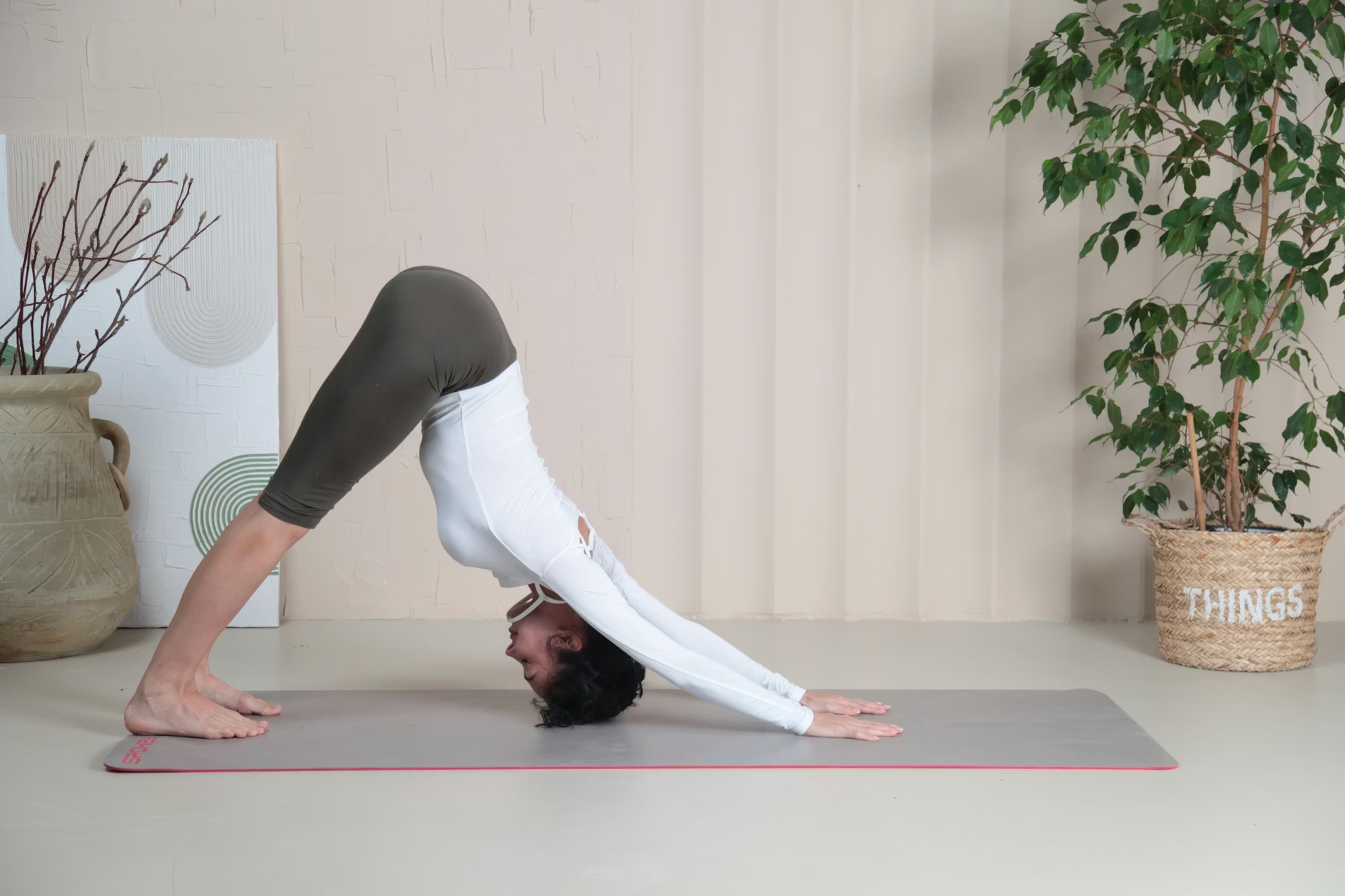
Yoga is inherently rooted in mindfulness. The practice emphasizes breath awareness, alignment, and presence, making it an ideal discipline for those looking to enhance their mental connection to movement. Incorporating mindfulness into yoga can deepen the experience, allowing practitioners to explore their limits and appreciate the journey of self-discovery.
Running
Many runners find mindfulness particularly beneficial. By focusing on the rhythm of their breath and the feeling of their feet on the ground, runners can create a meditative state that enhances their experience. Mindful running encourages awareness of surroundings, promoting a sense of connection with nature and the present moment.
Strength Training
Even in strength training, mindfulness can play a significant role. By concentrating on each repetition, lifters can develop better form and connection to the muscles being worked. This mindfulness can help reduce the risk of injury and increase the effectiveness of the workout.
Conclusion
The integration of mindfulness into fitness represents a powerful shift towards holistic well-being. By focusing on the connection between mind and body, individuals can enhance their workout experiences, reduce stress, and cultivate a deeper appreciation for their physical capabilities. As more people recognize the value of mindfulness in fitness, the landscape of health and wellness will continue to evolve, fostering a culture that prioritizes both physical and mental well-being. By incorporating simple mindfulness practices into your fitness routine, you can unlock the full potential of your workouts and embrace a more fulfilling path to health and happiness.