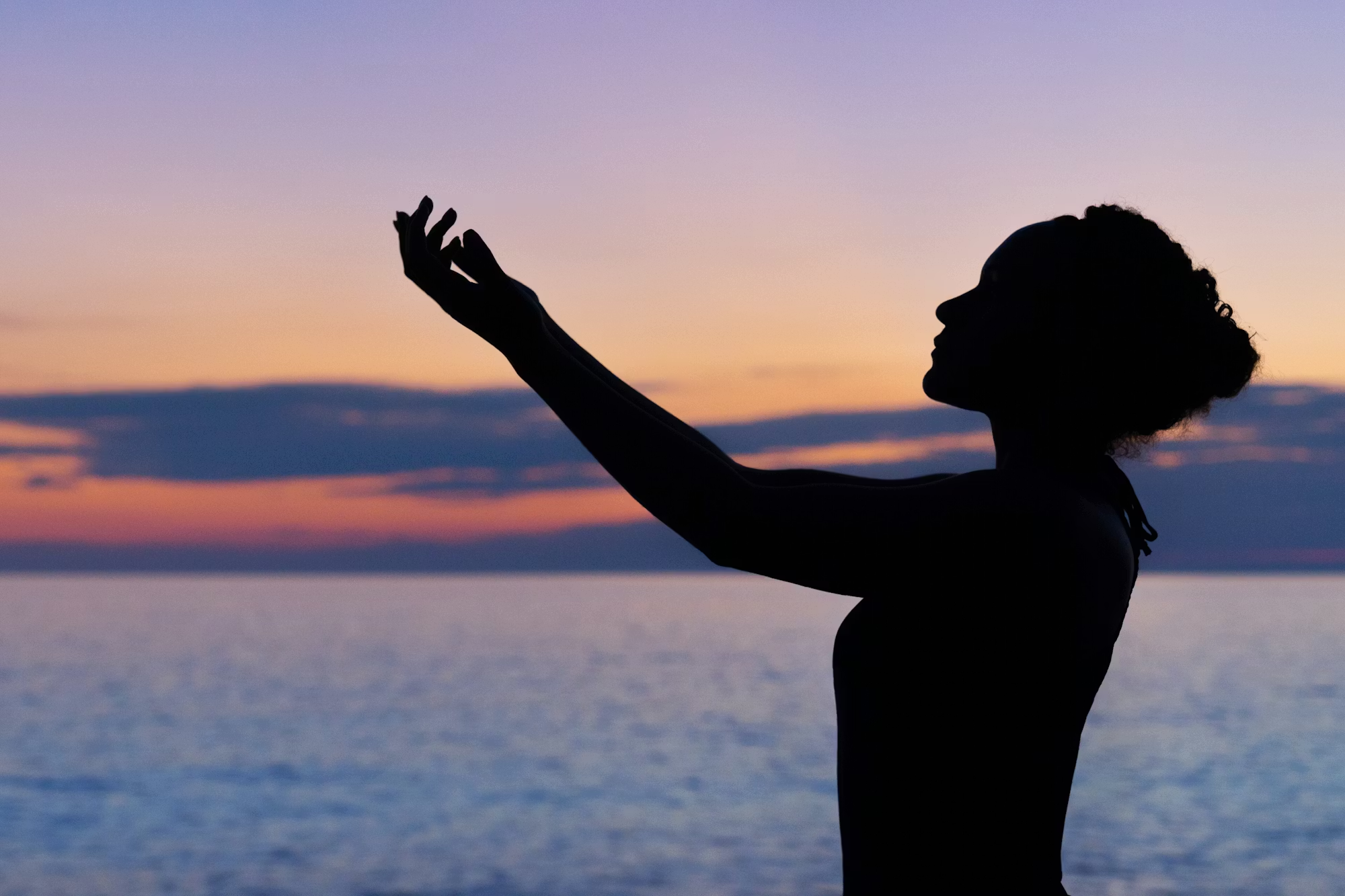
In the hustle and bustle of modern life, achieving balance can often feel elusive. With the pressures of work, family, and social obligations, individuals frequently find themselves overwhelmed and disconnected. However, the practice of yoga offers a pathway to restore equilibrium, providing tools for enhancing physical health, mental clarity, and emotional well-being. This article explores how different styles of yoga can help individuals find balance in their lives.
At its core, yoga is a holistic practice that encompasses physical postures, breathing techniques, and mindfulness. Each of these elements contributes to a greater sense of harmony within oneself. For beginners, Hatha yoga serves as an excellent introduction to the practice. This foundational style emphasizes basic postures and breath control, allowing practitioners to develop strength and flexibility at a comfortable pace. Hatha yoga provides a gentle yet effective way to reconnect with the body and cultivate mindfulness, making it an ideal starting point for anyone new to yoga.
As individuals progress in their practice, they may explore more dynamic styles such as Vinyasa and Power yoga. Vinyasa involves flowing from one pose to another in a synchronized manner with the breath. This fluidity not only builds physical strength but also fosters mental focus and resilience. Practitioners often report a sense of liberation during Vinyasa classes, as the continuous movement encourages them to let go of stress and distractions. This style can be particularly beneficial for those looking to incorporate movement into their meditation practice, as it creates a meditative state through the rhythm of breath and movement.
For those who appreciate a structured approach, Ashtanga yoga offers a disciplined practice that follows a specific sequence of poses. This method emphasizes synchronization of breath and movement, allowing practitioners to deepen their physical and mental discipline. Ashtanga yoga is known for its intensity, challenging practitioners to push their limits while fostering a sense of commitment and focus. This structured practice can instill valuable life skills, such as perseverance and dedication, which can be applied beyond the yoga mat.
In contrast, Bikram or Hot yoga presents a unique experience by practicing in a heated room. This environment allows for deeper stretches and encourages detoxification through sweat. The specific sequence of 26 poses combined with two breathing exercises promotes not only physical fitness but also mental resilience. Many practitioners enjoy the invigorating challenge of Bikram yoga, as it can push them to confront their limits and cultivate a sense of accomplishment.
For those seeking a more restorative practice, Iyengar yoga emphasizes alignment and precision. Utilizing props such as blocks and straps, Iyengar encourages practitioners to explore the nuances of each posture. This approach is particularly beneficial for individuals recovering from injuries or looking to improve their overall alignment. By holding poses for longer durations, practitioners can develop a deeper understanding of their bodies and learn to cultivate patience and self-acceptance.
Kundalini yoga takes a different approach by focusing on awakening energy at the base of the spine. This practice incorporates dynamic movements, breathing techniques, and chanting, creating a holistic experience aimed at elevating consciousness. Kundalini yoga can be transformative, helping individuals connect with their spiritual selves while enhancing their emotional well-being. The dynamic nature of this practice encourages practitioners to embrace their inner strength and creativity, fostering a sense of empowerment.
Yin yoga, on the other hand, offers a slower-paced practice that targets connective tissues. By holding poses for an extended period, practitioners can cultivate flexibility and improve circulation. This meditative style promotes relaxation and self-reflection, allowing individuals to slow down and tune into their bodies. Yin yoga complements more vigorous practices, offering balance and recovery for the body and mind.
Restorative yoga further enhances relaxation by utilizing props to support the body in gentle, passive poses. This deeply nurturing practice promotes stress relief and healing, making it an excellent choice for those seeking to unwind. Restorative yoga encourages practitioners to fully surrender to the poses, allowing for deep relaxation and rejuvenation. This practice is particularly beneficial for individuals dealing with the pressures of daily life, as it fosters a sense of calm and tranquility.
In addition to the physical benefits, yoga plays a significant role in enhancing mental clarity. The practice of mindfulness through meditation and breath awareness helps individuals cultivate self-awareness and focus. By dedicating time to connect with their breath, practitioners can develop the ability to stay present, reducing anxiety and enhancing overall mental well-being. Incorporating meditation into a regular yoga practice can create a powerful synergy, fostering deeper insights and emotional balance.
Moreover, yoga encourages a sense of community and connection among practitioners. Many individuals find that attending group classes fosters a supportive environment where they can share their experiences and challenges. This sense of belonging can be incredibly uplifting, promoting a greater sense of connection to others. Engaging in yoga within a community can enhance motivation and commitment to practice, making it easier to stay consistent.
As individuals explore different styles of yoga, they can discover what resonates with them and tailor their practice to meet their specific needs. Whether it’s the gentle embrace of Hatha yoga, the dynamic flow of Vinyasa, or the restorative nature of Yin yoga, each style offers valuable insights and opportunities for growth. The key is to remain open and curious, allowing the practice to evolve and adapt to one’s personal journey.
Incorporating yoga into daily life can lead to profound transformations. Regular practice enhances physical fitness, promotes mental clarity, and fosters emotional resilience. Individuals often find that yoga helps them navigate stressors with greater ease, promoting a sense of balance and well-being. By dedicating time to their practice, individuals can unlock the potential for a more harmonious and fulfilling life.
In conclusion, yoga serves as a powerful tool for achieving balance in the midst of modern life’s demands. By exploring various styles and practices, individuals can find the path that best suits their needs, embarking on a journey toward holistic wellness. As they cultivate mindfulness and self-awareness through yoga, practitioners unlock the potential for deeper connections with themselves and the world around them. Embracing yoga is not just about mastering poses; it is about nurturing the mind, body, and spirit, creating a pathway to a more balanced and enriched existence.