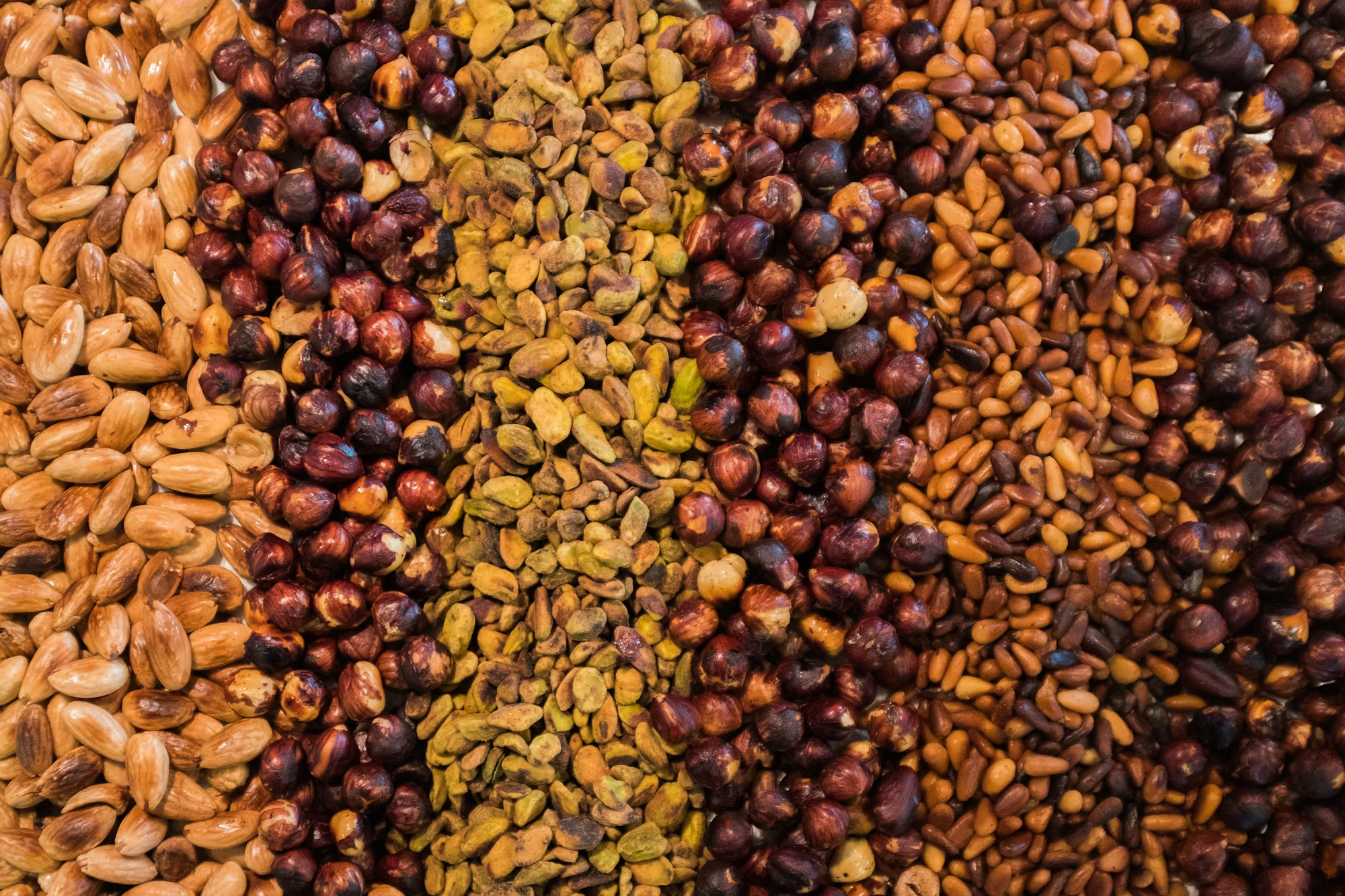
In recent years, plant-based diets have gained significant attention, becoming a popular choice for many individuals seeking to improve their health, support environmental sustainability, and embrace ethical eating practices. A plant-based diet emphasizes fruits, vegetables, whole grains, legumes, nuts, and seeds while minimizing or eliminating animal products. This article explores the benefits of adopting a plant-based diet, the challenges that may arise, and practical tips for making the transition smoothly.
The Benefits of a Plant-Based Diet
Adopting a plant-based diet can offer numerous health benefits and contribute positively to the environment:
1. Health Advantages
Research has shown that plant-based diets can lead to improved health outcomes, including:
– Weight Management: Many people find that a diet rich in whole, plant-based foods helps them maintain a healthy weight. These foods are typically lower in calories and higher in fiber, which promotes satiety and reduces overeating.
– Heart Health: Plant-based diets are associated with lower blood pressure, cholesterol levels, and a reduced risk of heart disease. Foods such as fruits, vegetables, whole grains, and legumes are packed with heart-healthy nutrients and antioxidants.
– Reduced Risk of Chronic Diseases: Studies indicate that plant-based eating patterns can lower the risk of developing type 2 diabetes, certain cancers, and other chronic illnesses. The high intake of vitamins, minerals, and phytonutrients found in plant foods contributes to overall health and well-being.
– Improved Digestive Health: A diet rich in fiber from plant foods supports healthy digestion and can prevent issues such as constipation and diverticulosis.
2. Environmental Impact
Transitioning to a plant-based diet can significantly reduce an individual’s environmental footprint. The production of plant-based foods generally requires fewer natural resources and results in lower greenhouse gas emissions compared to animal agriculture. By choosing more plant foods, individuals contribute to:
– Conservation of Water: Raising animals for food is water-intensive. Plant-based diets typically use far less water, helping to conserve this vital resource.
– Reduced Land Use: Plant-based diets require less land compared to those that include significant amounts of animal products. This helps preserve natural habitats and biodiversity.
– Lower Carbon Footprint: The agriculture and livestock sectors are major contributors to greenhouse gas emissions. By adopting a plant-based lifestyle, individuals can help mitigate climate change.
3. Ethical Considerations
Many individuals choose plant-based diets for ethical reasons, advocating for animal welfare and opposing factory farming practices. A plant-based diet minimizes harm to animals and promotes a more compassionate approach to food choices.
Challenges of Transitioning to a Plant-Based Diet
While the benefits of a plant-based diet are compelling, transitioning can present challenges. Here are some common obstacles and strategies to overcome them:
1. Nutritional Concerns
Some individuals worry about obtaining essential nutrients, such as protein, iron, calcium, and vitamin B12, on a plant-based diet. However, with careful planning, it is entirely possible to meet nutritional needs:
– Protein: Incorporate a variety of plant-based protein sources, such as legumes (beans, lentils, chickpeas), tofu, tempeh, edamame, and whole grains (quinoa, farro, brown rice).
– Iron: Consume iron-rich plant foods, such as lentils, spinach, and fortified cereals, alongside vitamin C-rich foods (like citrus fruits and bell peppers) to enhance iron absorption.
– Calcium: Leafy greens, fortified plant milks, and tofu are excellent sources of calcium.
– Vitamin B12: Consider fortified foods or supplements to ensure adequate intake of vitamin B12, as this nutrient is primarily found in animal products.
2. Social Situations
Dining out or attending social gatherings can pose challenges for those following a plant-based diet. It can be difficult to find suitable options, and there may be a lack of understanding among friends and family regarding dietary choices. Strategies to navigate these situations include:
– Communicate: Inform friends and family about your dietary preferences in advance of gatherings. This can help them accommodate your needs and make the experience more enjoyable.
– Plan Ahead: When dining out, review the menu beforehand or call the restaurant to inquire about plant-based options. Many restaurants are increasingly accommodating dietary preferences.
– Bring a Dish: If attending a potluck or gathering, consider bringing a plant-based dish that you enjoy. This not only ensures you have something to eat but also allows you to share delicious food with others.
3. Cravings and Habits
Transitioning to a plant-based diet may trigger cravings for familiar comfort foods that contain animal products. To overcome this challenge:
– Experiment with Substitutes: Explore plant-based alternatives for your favorite dishes. Many products mimic the taste and texture of meat, dairy, and eggs, making it easier to satisfy cravings.
– Focus on Whole Foods: Shift your focus from cravings to the abundance of delicious whole foods available. Discover new recipes and ingredients that excite your palate and broaden your culinary horizons.
– Gradual Transition: If the idea of a fully plant-based diet feels overwhelming, consider starting gradually. Begin by incorporating more plant-based meals into your week while gradually reducing animal products.
Practical Tips for Embracing a Plant-Based Diet
Adopting a plant-based lifestyle can be an enjoyable and rewarding journey. Here are some practical tips to support your transition:
1. Educate Yourself
Take time to learn about plant-based nutrition and cooking. Cookbooks, blogs, and online resources can provide valuable information and inspiration. Understanding the nutritional aspects of plant-based eating will help you feel confident in your choices.
2. Meal Prep
Plan and prepare meals in advance to simplify the transition. Batch cooking and having ready-to-eat plant-based meals can make it easier to stay on track during busy weeks.
3. Explore New Recipes
Try new plant-based recipes regularly to keep your meals exciting. Experiment with different cuisines, flavors, and ingredients to discover what you enjoy most.
4. Connect with Community
Join local or online communities focused on plant-based living. Sharing experiences, recipes, and support with like-minded individuals can enhance motivation and enjoyment in your journey.
5. Be Kind to Yourself
Finally, remember that transitioning to a plant-based diet is a personal journey. Be patient with yourself and celebrate your progress, no matter how small. It’s perfectly okay to have occasional slip-ups or to take time to adjust.
Conclusion
Embracing a plant-based diet can lead to numerous benefits for your health, the environment, and animal welfare. While challenges may arise, the rewards of improved well-being and a more sustainable lifestyle make the journey worthwhile. By educating yourself, planning ahead, and approaching the transition with an open mind, you can successfully adopt a plant-based lifestyle that aligns with your values and goals. Start your journey today and explore the vibrant world of plant-based eating that awaits you.